



Sistemes i tecnologies de la producció animal
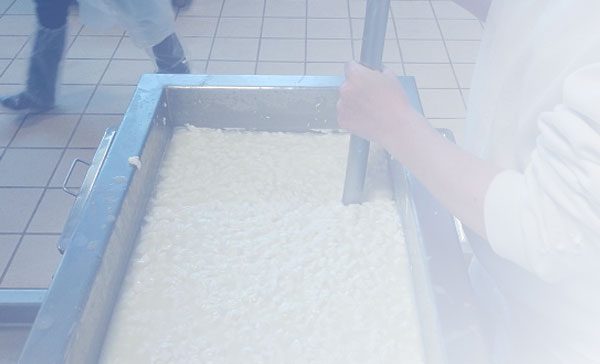
En aquesta línia s’aborda l’estudi de paràmetres que defineixen la qualitat de la llet de diferents espècies ramaderes (vaca, ovella i cabra) i de diferents factors relacionats amb característiques intrínseques dels animals i de maneig ramader que poden influir en la qualitat. S’estudien diverses característiques clàssiques de qualitat de la llet: paràmetres fisicoquímics, composició química i qualitat higienicosanitària. Els últims anys s’ha aprofundit en l’estudi de la presència d’inhibidors i els seus mètodes de detecció en la llet i productes lactis (formatge i iogurt). També s’estudia l’efecte de la presència d’antibiòtics en el procés d’elaboració i les característiques del iogurt i el formatge d’ovella i cabra. Específicament, també es treballa en la millora de la producció i la qualitat de la llet de la raça murciano-granadina i la raça ovina guirra, autòctona de la Comunitat Valenciana.
Investigadores: Pilar Molina, Cristòfol Peris y Martín Rodríguez

Tecnologia del munyiment mecànic i sistemes de producció animal
Es desenvolupen i es proven materials i paràmetres nous per a la millora de les condicions de munyiment i l’automatització d’aquest. També s’estudien les rutines de munyiment i s’implementen aplicacions informàtiques per al càlcul, el maneig i el manteniment de l’equip de munyiment per part dels tècnics del sector. En el context de l’esquema de selecció de raça murciano-granadina el nostre grup col·labora amb el CITA-IVIA i l’associació AMURVAL per a portar a terme el registre de nous caràcters (cinètica d’emissió, morfologia, mamitis) i l’automatització del control lleter. El grup participa en el manteniment de la biodiversitat del bestiar oví autòcton (raça guirra) i en l’aprofitament de subproductes per a l’alimentació dels petits remugants.
Investigadores: Nemesio Fernández, Cristòfol Peris y Martín Rodríguez

Ramaderia i medi ambient
L’objectiu és adaptar la ramaderia a les exigències mediambientals i de benestar animal, i aportar millores en tots dos camps. Es porta a terme el registre i el mesurament de contaminants atmosfèrics (amoníac, gasos amb efecte d’hivernacle i partícules) que es generen a les explotacions ramaderes i instal·lacions relacionades (basses d’emmagatzematge de dejeccions), i la relació d’aquests amb els factors propis de la producció animal. També es caracteritzen les dejeccions, fems i purins, des d’una perspectiva ambiental i per a la seua valorització energètica (biogàs). Finalment, es treballa en el camp de l’enginyeria del benestar animal, des del punt de vista de l’optimització i el control de les condicions ambientals a l’interior de l’explotació.
Investigadores: Salvador Calvet, Fernando Estellés y María Cambra